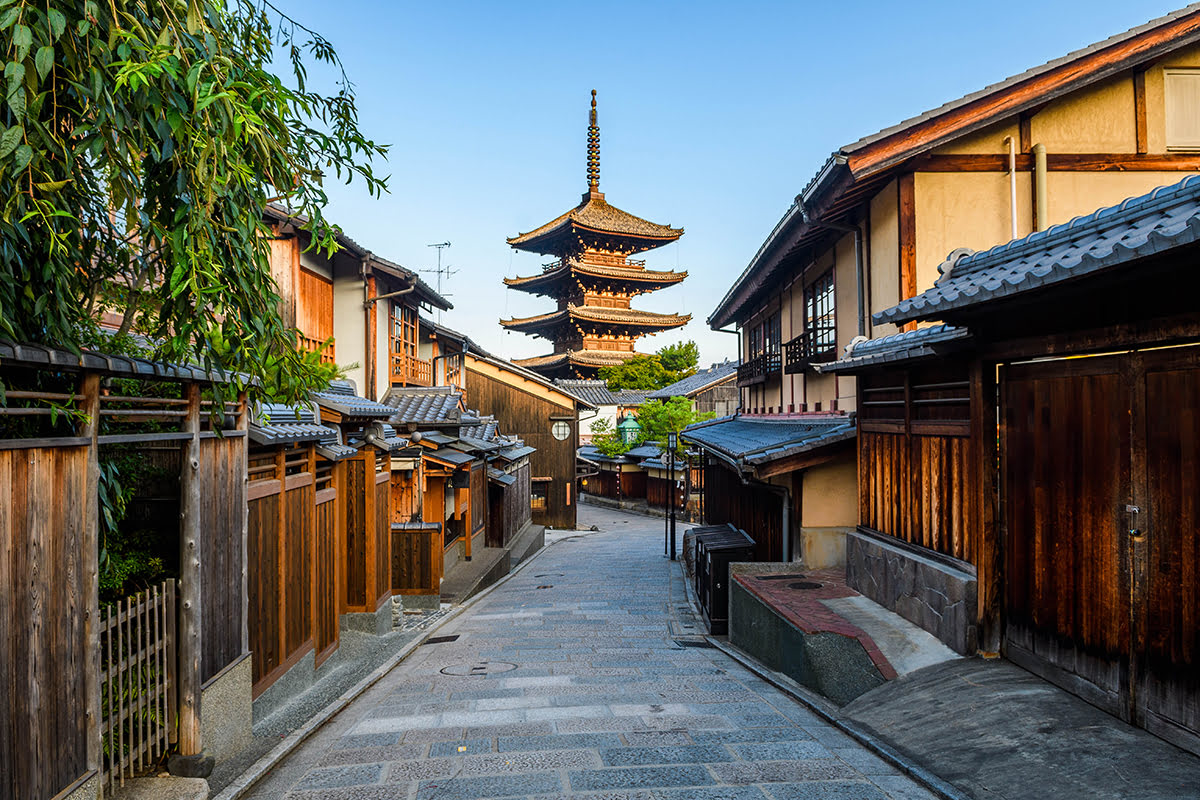
Welcome to Kyoto
Kyoto, Japan's cultural heart, offers a glimpse into the country's rich heritage with over 1,600 Buddhist temples, 400 Shinto shrines, and 17 UNESCO World Heritage sites. During our three-day stay, we'll explore vermilion torii gates, stroll through bamboo forests, witness the gleaming Golden Pavilion, and experience traditional culture through kimono wearing and geisha district walks. Kyoto embodies the essence of traditional Japan with its perfectly preserved temples, gardens, and time-honored customs.
Accommodation
MIMARU SUITES Kyoto Shijo
52-2 Takatsujiomiya-cho, Shimogyo-ku, Kyoto
Spacious suite-style accommodation in central Kyoto with excellent access to major sights
View on Google MapsTransit Accommodation
9h nine hours Narita Airport
Terminal 2, Narita International Airport, Narita, Chiba
Convenient capsule hotel inside the airport for our early morning flight
View on Google MapsHighlights
• Fushimi Inari's vermilion torii gates
• Kinkaku-ji (Golden Pavilion)
• Arashiyama Bamboo Grove
• Traditional kimono experience
Daily Schedule
• Day 9: Arrival & Fushimi Inari Shrine
• Day 10: Golden Pavilion, Bamboo Grove & Kimono Experience
• Day 11: Imperial Palace & Return to Tokyo
• Day 12: Capsule night & flight to Singapore
Essential Information
Weather in August
- • Average high: 33°C (91°F)
- • Average low: 24°C (75°F)
- • Humidity: Very high (75-85%)
- • Rainfall: Frequent, summer is rainy season
- • Daylight: Sunrise ~5:20 AM, Sunset ~6:50 PM
Kyoto's bowl-like geography can make it even hotter than Tokyo in summer. Carry water, wear light clothing, and plan indoor breaks during peak heat hours.
Getting Around
- • One-Day Bus Pass: ¥700 (~€4.30) for unlimited city bus travel
- • Subway: Two main lines (Karasuma and Tozai), convenient for certain sites
- • Taxis: More prevalent than in Tokyo, reasonable for short trips
- • Bicycle: Popular way to explore the relatively flat city center
- • Walking: Many attractions in central Kyoto are walkable
Our hotel is located in the Shijo area, placing us centrally with great access to shopping, dining, and transit options. The subway station is a 3-minute walk away.
Must-Visit Sites
- • Fushimi Inari Shrine: Thousands of vermilion torii gates
- • Kinkaku-ji (Golden Pavilion): Gold-leaf covered temple
- • Arashiyama Bamboo Grove: Otherworldly bamboo forest
- • Gion District: Traditional geisha district
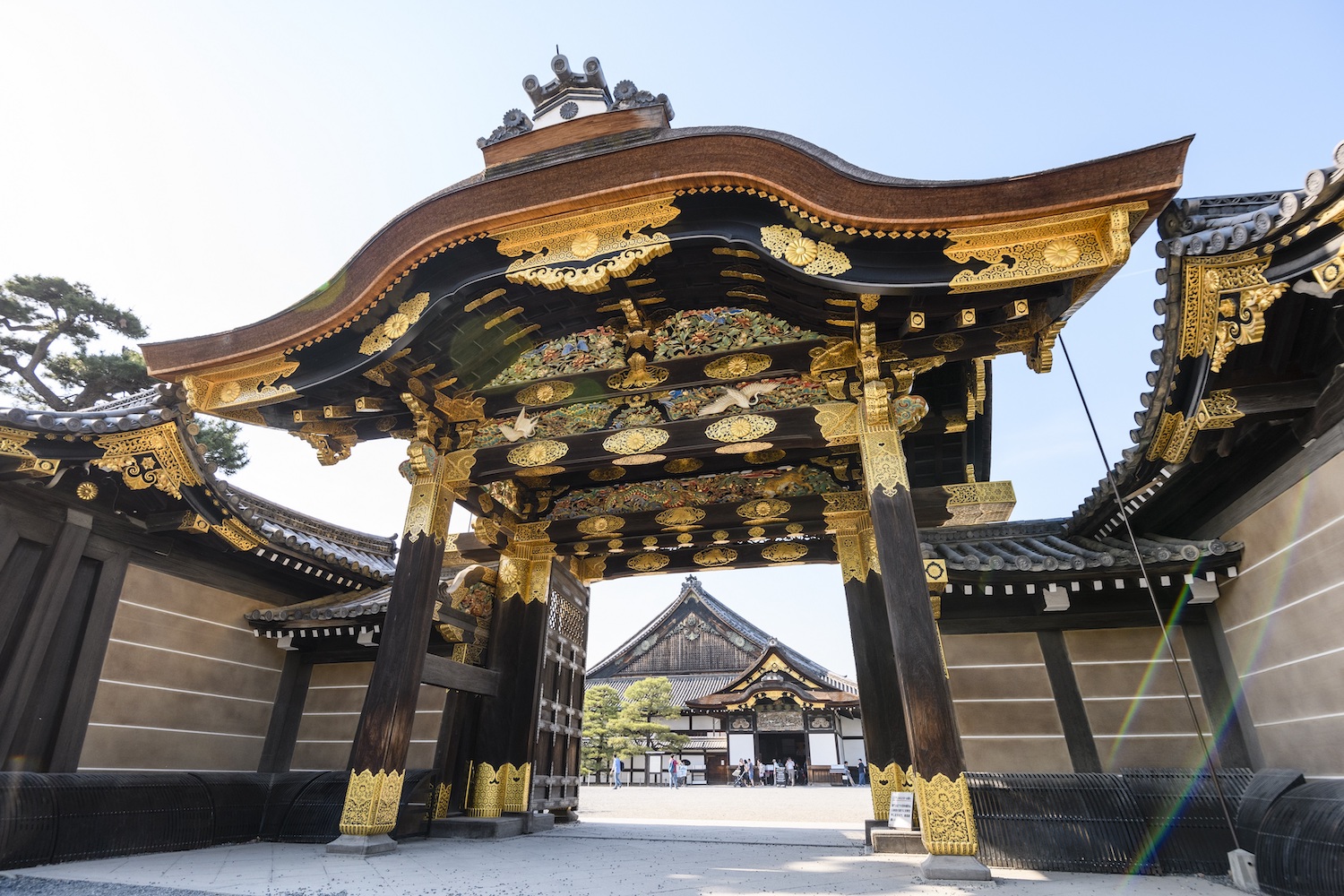
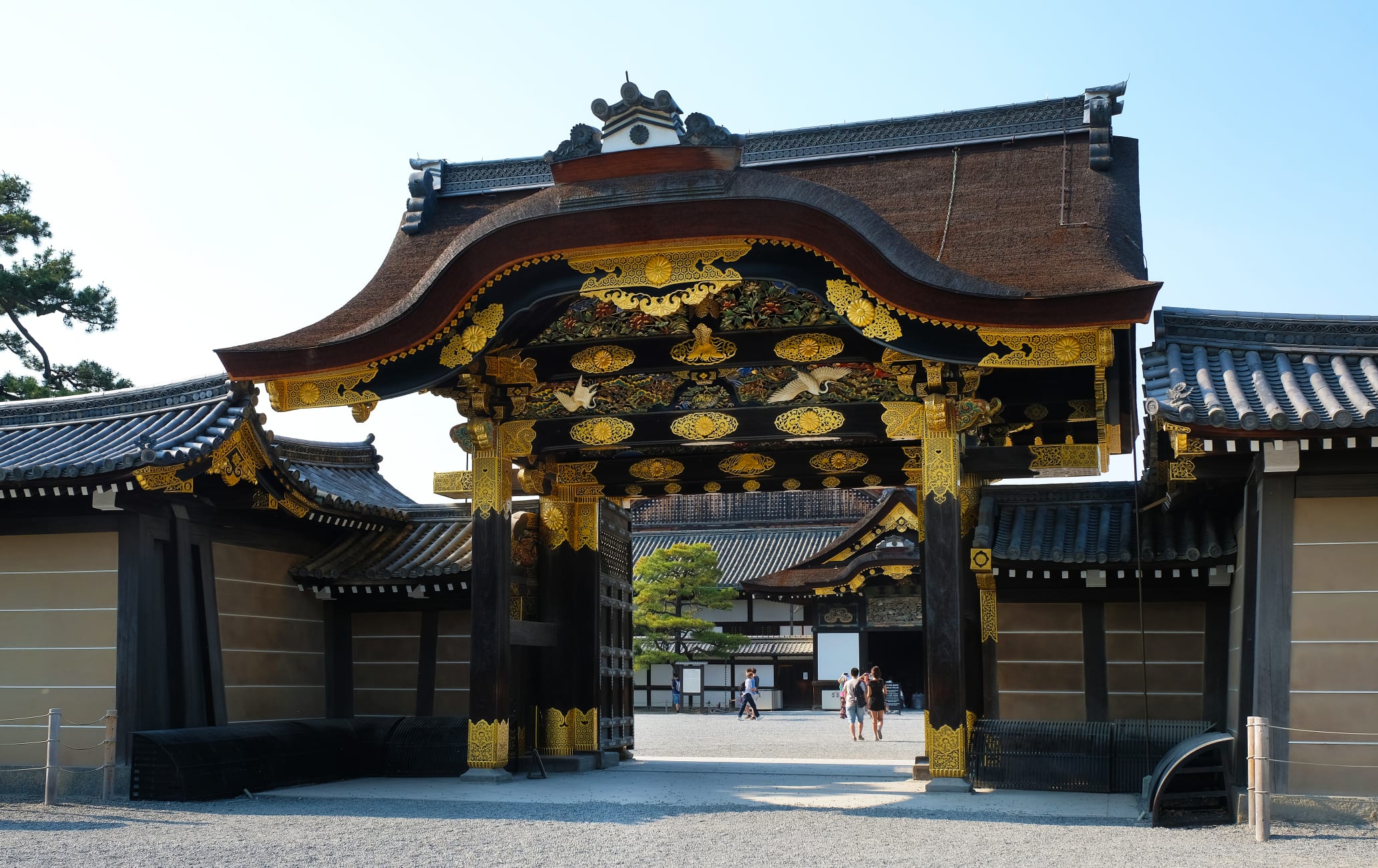
- • Nijo Castle: Former shogun residence with "nightingale floors"
- • Kyoto Imperial Palace: Former residence of Japan's Imperial family
Our Itinerary
Our 2-day stay allows us to see the highlights, but Kyoto deserves more time. We've selected the most iconic sites that offer the quintessential Kyoto experience.
Kyoto Cuisine
- • Kaiseki: Traditional multi-course haute cuisine
- • Yudofu: Tofu hot pot (Kyoto specialty due to pure water)
- • Yuba: Tofu skin, often served in soups or with soy sauce
- • Tsukemono: Pickled vegetables with distinct Kyoto varieties
- • Kyo-wagashi: Exquisite traditional sweets
- • Matcha: High-grade green tea used in tea ceremonies
Where to Eat
Nishiki Market ("Kyoto's Kitchen") offers a wide variety of local specialties. Pontocho Alley features atmospheric restaurants along the Kamogawa River with outdoor dining in summer.
Cultural Experiences
- • Kimono Rental: Experience Kyoto in traditional dress
- • Maiko/Geisha Spotting: Early evening in Gion district
- • Tea Ceremony: Participate in this refined ritual
- • Traditional Crafts: Workshops for pottery, calligraphy
- • Zen Gardens: Find serenity in meticulously designed spaces
Kimono Experience
We've scheduled a kimono/yukata rental experience on Day 2. This is a wonderful way to immerse in Japanese culture and get memorable photos in historic settings (¥6,000-10,000 per person).
Etiquette in Kyoto
- • Temple Etiquette: Remove shoes where indicated, speak quietly
- • Photography: Many temples prohibit photos of their interiors
- • Geisha/Maiko: Do not chase or obstruct them; photos from a distance only
- • Shrines: Wash hands at the purification fountain before entering
- • Temples vs. Shrines: Temples are Buddhist, shrines are Shinto
- • Dress Code: Modest attire for religious sites (shoulders/knees covered)
Important Note
Kyoto is more traditional than Tokyo, and locals particularly appreciate respectful behavior. Be especially mindful at religious sites and in the Gion district.
Trip World Clock
Time differences from Barcelona: Maldives +3h, Singapore/KL +6h, East Asia +7h
Activities & Itinerary
Thursday, August 7, 2025 – Early Arrival & Evening Exploration

- 11:00-13:30: Shinkansen journey from Tokyo to Kyoto
- 13:30: Arrive at Kyoto Station
- 14:00-15:00: Transport to hotel (taxi recommended for 6 people with luggage)
- 15:00: Check-in at MIMARU SUITES Kyoto Shijo
- 16:00-17:30: Rest and freshen up after journey
- 17:30-19:30: Evening stroll along Kamogawa River
- View traditional wooden teahouses along the river
- Explore Pontocho Alley with its atmospheric narrow streets
- Potential geiko/maiko spotting during evening hours
- 19:30-21:30: Welcome dinner in Pontocho Alley
- Atmospheric narrow lane along the Kamogawa River
- Recommended: Pontocho Misogigawa (traditional Kyoto cuisine)
- Alternative: Pontochō Shijō (riverside dining with terrace seats in summer)
Evening Atmosphere: Pontocho Alley is one of Kyoto's most atmospheric dining areas, particularly beautiful in the evening when lanterns illuminate the narrow pedestrian path. In summer, many restaurants open riverside dining platforms (yuka) overlooking the Kamogawa River, offering a perfect introduction to Kyoto's elegant atmosphere.
Friday, August 8, 2025 – Fushimi Inari & Kyoto Tour
- 08:00-09:00: Breakfast at hotel or nearby café
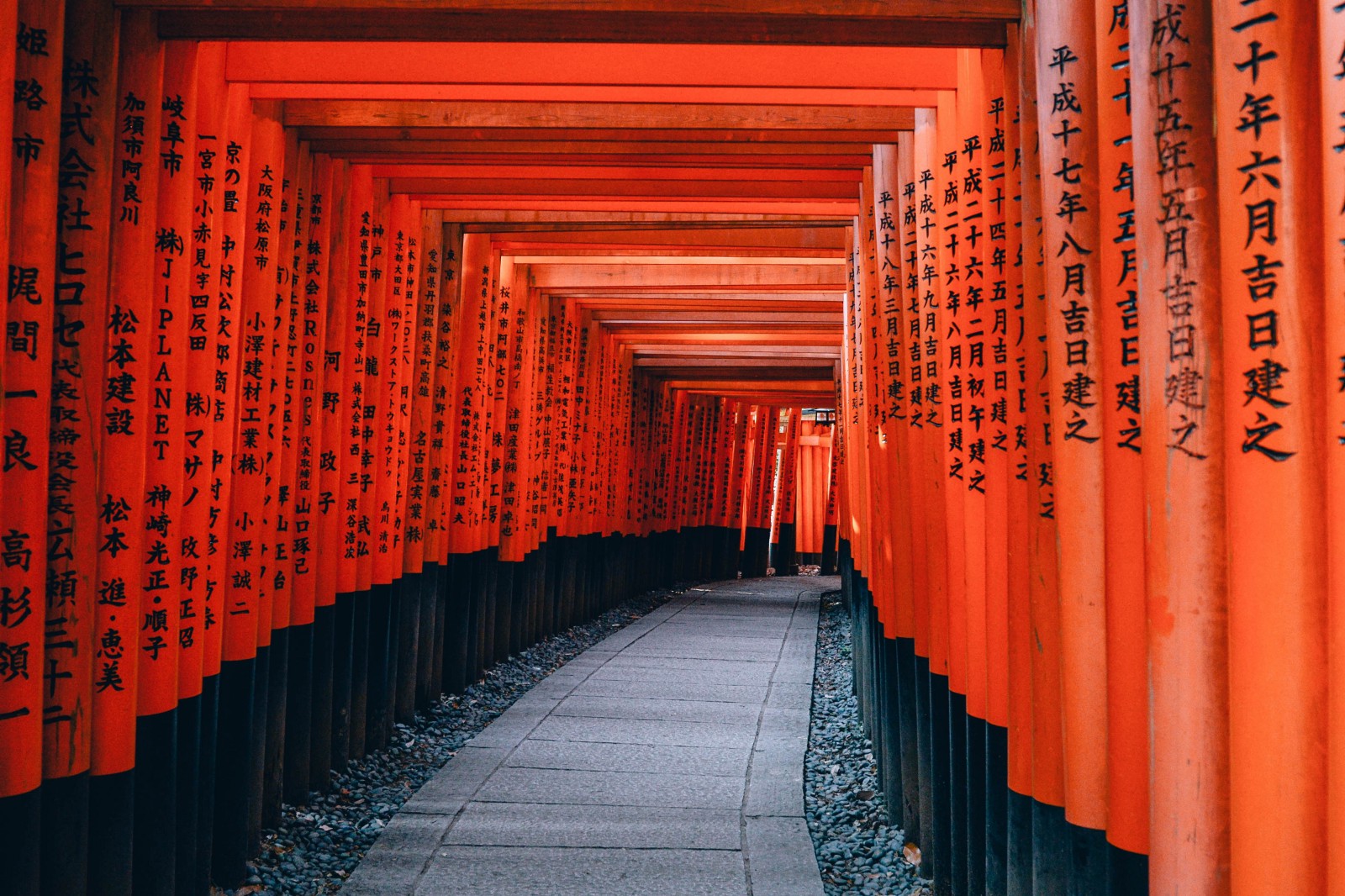
- 09:30-11:00: Visit Fushimi Inari Shrine (early morning for fewer crowds)
- Famous for thousands of vermilion torii gates
- Optional short hike up the mountain (30-45 minutes)
- Transport: Take JR Nara Line from Kyoto Station to Inari Station (5 minutes)
- 11:30-13:00: Lunch at local restaurant
- 13:30-14:15: Return to hotel area and head to Sanjo Station
- 14:30-17:00: CONFIRMED Free Tour of Kyoto
- Meeting at Sanjo Station
- Walk along Kamogawa River learning about Kyoto's history
- Explore Gion district and learn about geisha culture
- Visit Chion-in Temple, one of Kyoto's main Buddhist temples
- Discover Higashi-Yama historical area
- Conclude at Yasaka Pagoda
- 17:30-19:00: Rest and explore Yasaka area
- 19:30-21:30: Dinner at local restaurant in Eastern Kyoto
Photography Tip: The seemingly endless vermilion torii gates at Fushimi Inari create mesmerizing tunnels that wind up the sacred mountain. For the best photos with fewer crowds, an early morning visit is ideal, as many visitors arrive later in the day. The tour will give you excellent historical context about Kyoto's most important sites.
Saturday, August 9, 2025 – Golden Temple, Tea Ceremony & Gion Evening
- 08:00-09:00: Breakfast at hotel or nearby café
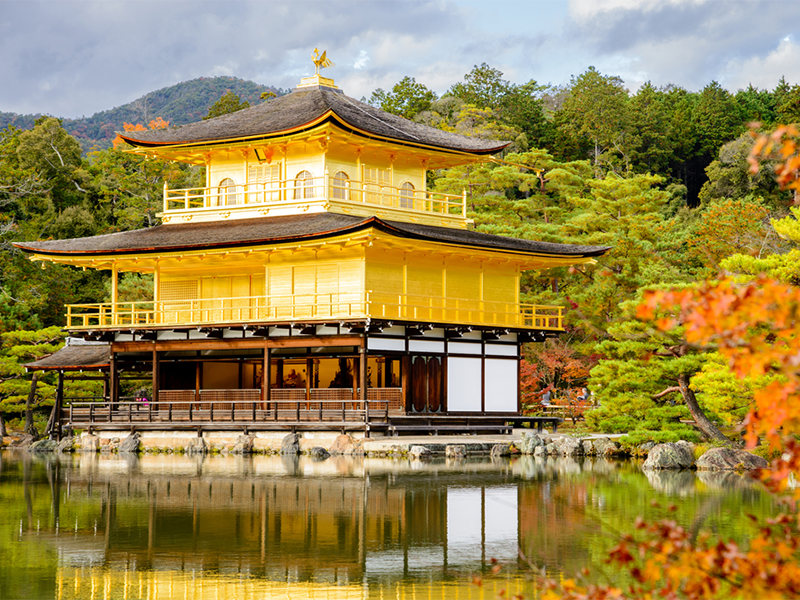
- 09:30-11:30: Kinkaku-ji (Golden Pavilion)
- Iconic gold-leaf covered temple
- Beautiful surrounding gardens
- Transport: 30-minute taxi ride from hotel
- 12:00-12:30: Transport to Nishiki Orizuruya
- 12:45-14:15: CONFIRMED Tea Ceremony Experience
- Reservation #ppg8jSOtU for 6 people
- Traditional Japanese tea ceremony (90 minutes)
- Location: Nishiki Orizuruya, Nakagyo-ku
- Learn about Japanese tea culture and mindfulness practices
- 14:30-16:30: Arashiyama Area
- Bamboo Grove (iconic walkway through towering bamboo)
- Tenryu-ji Temple (UNESCO World Heritage Site)
- Optional: Iwatayama Monkey Park for active family members
- 16:30-18:00: Return to hotel to freshen up
- 18:30-20:30: CONFIRMED Gion Free Walking Tour
- Meeting at Kamo River
- Explore the famous geisha district of Kyoto
- Learn about traditional wooden machiya houses
- Visit an okiya (traditional geisha house)
- End at Yasaka Shrine
- 20:30-22:00: Late dinner in Gion district
Cultural Immersion: Today combines Kyoto's most iconic sights with deep cultural experiences. The tea ceremony offers mindfulness and traditional Japanese hospitality, while the Arashiyama Bamboo Grove creates an otherworldly atmosphere. The evening Gion tour is perfectly timed for potentially spotting authentic geiko heading to their appointments.
Sunday, August 10, 2025 – Nara Day Trip & Departure
- 08:00-09:00: Breakfast at hotel or nearby café
- 09:15-10.00: Transport to Kyoto Station
- 10.25-10.59: Train to Nara (45-minute ride on JR Nara Line)
- 11.15-15:30: Explore Nara Park and surroundings
- Feed and interact with the sacred deer
- Visit Todai-ji Temple with its massive Buddha statue
- See Kasuga-Taisha Shrine with its lantern-lined paths
- Lunch in Nara at a local restaurant
- 15.55-16:30: Train back to Kyoto
- 16:30-17.15: Collect luggage from train depot
- 17:15: Depart for Tokyo via Shinkansen
- Kyoto Station is 15 minutes from hotel by taxi
- Shinkansen Hikari or Nozomi train to Tokyo Station (~2hr 15min)
- Reserved seats recommended; tickets ~¥14,000 per person
- Enjoy an ekiben (station bento box) dinner on the train
- 19:30: Arrive Tokyo Station, transfer to Narita Express
- 21:30: Check-in at 9h nine hours Narita Airport
Travel Tip: In Nara Park, you'll find over 1,200 freely roaming wild deer ("ciervos") that are considered sacred messengers of the gods. You can purchase special "shika senbei" (deer crackers) from vendors throughout the park to feed them, and many deer will bow to request food. This is the animal experience you were looking for! Purchase your Shinkansen and Narita Express tickets together at Kyoto Station to save time.
Monday, August 11, 2025 – Narita to Singapore
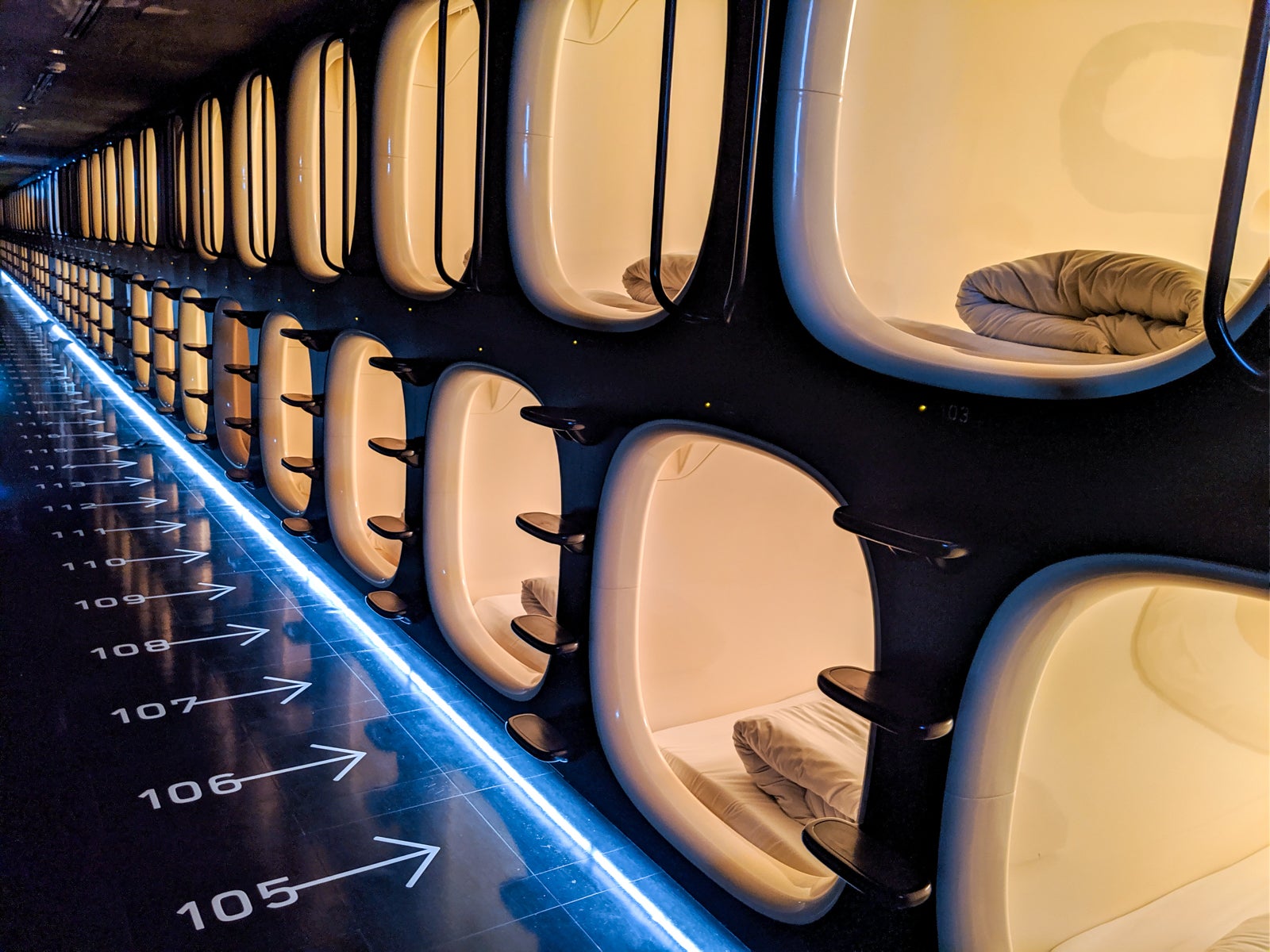
- 07:00-08:00: Wake up at 9h nine hours Narita Airport capsule hotel
- Freshen up in the shared bathroom facilities
- Pack and prepare for departure
- Capsule hotel conveniently located within Terminal 2
- 08:00-08:45: Breakfast at airport terminal
- Various options available at Narita Terminal 2
- Recommended: Dashichazuke En for Japanese breakfast or Starbucks for Western options
- 09:10: Transport to departure gate
- Check information screens for gate assignment
- Security and immigration process at Narita is efficient but allow sufficient time
- 11:10-17:20: Flight SQ637 to Singapore Changi Airport
- 7-hour 10-minute flight
- Singapore Airlines offers excellent in-flight entertainment and meal service
- Flight crosses international date line but remains on same calendar day
- 17:20: Arrival at Singapore Changi Airport
- Time zone change: Singapore is 1 hour behind Japan
- Singapore's Changi Airport consistently rated world's best with gardens, art installations, and amenities
- 18:00-19:00: Transport to Village Hotel Sentosa (next accommodation)
Travel Tip: The 9h nine hours capsule hotel offers a quintessentially Japanese experience with private sleeping pods and shared facilities. Each pod includes controls for lighting and alarm. For a smooth morning, organize toiletries and a change of clothes the night before, and set an alarm to allow plenty of time for morning preparations. Narita Airport has excellent duty-free shopping if you want to purchase any last-minute Japanese souvenirs.
Culture & Fun Facts
Kyoto's Unique History
- 🏛️ Imperial Capital: Kyoto served as Japan's capital and the emperor's residence from 794 to 1868 (over 1,000 years).
- 🪖 WWII Preservation: Kyoto was deliberately spared from air raids during World War II due to its cultural significance, preserving its historic treasures.
- 🏆 Cultural Treasure: The city is home to 17 UNESCO World Heritage Sites, more than any other city in Japan.
- ⛩️ Religious Center: Kyoto has over 1,600 Buddhist temples and 400 Shinto shrines.
- 🎨 Traditional Arts: Many traditional Japanese arts and crafts originated in Kyoto, including ikebana (flower arrangement), tea ceremony, and Kyo-yuzen dyeing.
- 🏙️ Urban Planning: The city was designed using principles of Chinese feng shui, with a grid pattern modeled after the ancient Chinese capital of Chang'an (Xi'an).
⏳ Historical Timeline
- • 794: Kyoto established as "Heian-kyo," Japan's new capital
- • 794-1185: Heian Period (golden age of court aristocracy and culture)
- • 1185-1333: Kamakura Period (rise of the samurai)
- • 1333-1573: Muromachi Period (development of Zen culture)
- • 1573-1603: Azuchi-Momoyama Period (unification of Japan)
- • 1603-1868: Edo Period (Tokugawa shogunate)
- • 1868: Capital moved to Tokyo during Meiji Restoration
Geisha Culture in Kyoto
- 💃 Geiko & Maiko: In Kyoto, fully-trained geisha are called "geiko" (meaning "arts child"), while apprentices are "maiko" (dancing child).
- 📚 Rigorous Training: Maiko typically begin training at 15-16 and spend about 5 years as apprentices before becoming full geiko.
- 🎭 Traditional Arts: Geiko study traditional Japanese arts including dance, music (especially shamisen), conversation, games, and tea ceremony.
- 🏮 Hanamachi: Kyoto has five geisha districts called "hanamachi" (flower towns), with Gion Kobu being the most famous.
- 💄 Appearance: Maiko wear more elaborate kimono, hairstyles, and makeup than geiko. The iconic white makeup has its origins in stage lighting before electricity.
- 📊 Modern Numbers: While there were once thousands of geisha in Kyoto, today there are only about 100 geiko and 100 maiko actively working.
👀 Spotting Authentic Geiko & Maiko
The best time to see geiko and maiko is early evening (5:30-6:00 PM) as they travel to their appointments in Gion, particularly on Hanami-koji Street. Be respectful—observe from a distance and do not chase or obstruct them. Remember that many women in kimono are tourists in costume, not actual geiko or maiko.
Kyoto's Major Festivals
- 🏮 Gion Matsuri: One of Japan's most famous festivals, held throughout July with the highlight being the grand procession of floats on July 17th.
- 🌿 Aoi Matsuri: Held on May 15th, featuring a procession of people in Heian Period costumes from the Imperial Palace to Shimogamo and Kamigamo Shrines.
- 👑 Jidai Matsuri: The "Festival of Ages" on October 22nd showcases Kyoto's history with a costume procession representing different historical periods.
- 🔥 Gozan no Okuribi: Also known as "Daimonji," this August 16th event features five giant bonfires lit on mountains surrounding Kyoto to guide ancestral spirits home after Obon.
- 👹 Setsubun: February 3rd ceremonies at Yoshida Shrine include the throwing of beans to drive away evil spirits.
📅 August Events
During our visit in August, we might witness preparations for Gozan no Okuribi (August 16th) and potentially smaller local festivals. August in Kyoto also features evening illuminations at certain temples and special night openings to combat the summer heat.
Did You Know?
- ✨ The Golden Pavilion (Kinkaku-ji) is actually covered in gold leaf, with the top two floors completely gilded with an estimated 20 pounds of gold.
- 🔤 The name "Kyoto" is actually an anagram of "Tokyo"—when the capital moved to Tokyo (meaning "Eastern Capital"), Kyoto (meaning "Capital City") maintained its cultural importance.
- 🎮 Nintendo was founded in Kyoto in 1889 as a playing card company and still has its headquarters in the city.
- 🌡️ Kyoto is surrounded by mountains on three sides, which creates a basin effect that makes it one of the hottest cities in Japan during summer.
- 🏯 Unlike Tokyo, which was heavily bombed during World War II, Kyoto was deliberately removed from the target list due to its cultural significance—the U.S. Secretary of War Henry Stimson had honeymooned in Kyoto and appreciated its historical importance.
- ⛩️ The torii gates at Fushimi Inari Shrine number over 10,000 and would stretch over 4 kilometers if placed end to end.
- 💧 Kyoto is known for its superior water quality from natural springs, which contributed to the development of its famous tea ceremony culture, sake brewing, and tofu production.
- 🔊 Nijo Castle's "nightingale floors" were specifically designed to squeak when walked upon as a security measure against intruders.
Traditional Kyoto Arts & Crafts
- 🧵 Kyo-yuzen: A dyeing technique for creating elaborate designs on kimono fabric, developed in the 17th century.
- 🏺 Kiyomizu-yaki: Pottery made in the Kiyomizu area, known for its bright colors and intricate designs.
- 👘 Nishijin-ori: Exquisite silk weaving tradition dating back over 1,200 years, used for high-quality kimono and obi (sashes).
- 🍽️ Kyo-shikki: Kyoto-style lacquerware, often featuring gold or silver inlay (maki-e) decoration.
- 👧 Kyoto Dolls: Traditional handcrafted dolls that represent the refined aesthetic of the imperial court.
- 🌸 Kyo-sensu: Decorative folding fans with designs reflecting the seasons and Kyoto landscapes.
🛍️ Souvenir Shopping
The best places to purchase authentic Kyoto crafts include Shinmonzen and Furumonzen Streets in Gion (known as "museum streets"), traditional specialty shops around Nishiki Market, and the Kyoto Handicraft Center. Look for the official "Kyo" seal certifying authentic Kyoto-made products.
Kyoto's Famous Gardens
- 🧘 Zen Gardens: Kyoto is famous for its karesansui (dry landscape) gardens featuring carefully arranged rocks, pruned trees, and raked gravel or sand.
- ⛰️ Ryoanji Temple: Home to Japan's most famous rock garden, consisting of 15 rocks arranged on white gravel—a masterpiece of Zen minimalism.
- 🥈 Ginkaku-ji (Silver Pavilion): Features the unique "Sea of Silver Sand," a meticulously raked sand garden with a sculpted sand cone called "Moon Viewing Platform."
- 🌳 Tenryu-ji: A UNESCO World Heritage site with a stunning landscape garden designed by Zen master Muso Soseki that harmonizes with the Arashiyama mountains.
- 🌿 Saiho-ji: Known as the "Moss Temple," featuring over 120 species of moss creating a lush green carpet. Requires advance reservation.
- 🍁 Shisen-do: A secluded temple garden with a beautiful combination of Japanese and Chinese influences, particularly famous for its autumn colors.
Japanese gardens are designed as microcosms of nature, arranged to reveal new perspectives from different viewing points. Each element has symbolic meaning, and gardens change dramatically with the seasons.